Source Commercial Leg Press Machine for Home Gymnasium Park
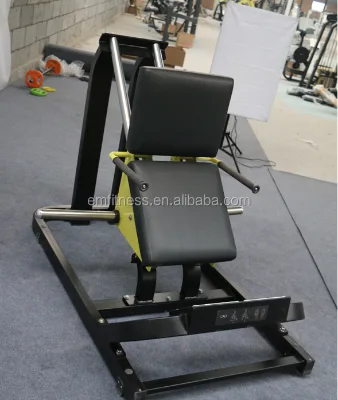
Find a commercial leg press machine from 30 verified suppliers offering manual power sources and steel construction. Buyers can compare models with weight stacks ranging from 80kg to 100kg, diverse dimensions, and CE ISO certifications for home, gymnasium, and community use.
Key considerations
Products List


Comprehensive Sourcing Guide
Strategic Sourcing Guide for Commercial Leg Press Machines
The global market for commercial fitness equipment continues to expand, driven by the proliferation of high-end gyms, community centers, and hotel fitness facilities. Among the various strength training apparatuses, the commercial leg press machine stands out as a critical piece of equipment for lower body development. For procurement professionals, sourcing these machines requires a disciplined approach that balances technical specifications, regulatory compliance, and long-term operational reliability. This guide synthesizes observed market data and verified product attributes to provide a framework for evaluating potential suppliers and selecting equipment that meets rigorous commercial standards.
Technical Specifications and Structural Integrity
When evaluating a commercial leg press machine, the primary focus must be on the structural integrity and the specific dimensions that define its commercial grade. The observed market data indicates that high-quality units typically utilize Q235 steel, a standard grade known for its durability and resistance to deformation under heavy loads. The tubing dimensions are a critical differentiator between residential and commercial units. Specifications observed in the market include oval steel tubes with dimensions such as 60120 mm or 50100 mm. Buyers should verify that the pipe thickness and steel grade match these commercial benchmarks to ensure the machine can withstand the high-frequency usage typical of a public gym environment.
The overall footprint of the machine is another essential technical consideration. Commercial units often require significant floor space to accommodate the leg press sled and the user's range of motion. Observed dimensions for such equipment range from approximately 125013001870 mm to 180011201550 mm. Procurement teams must ensure that the facility's layout can accommodate these dimensions, particularly the depth required for the sled's travel path. Furthermore, the weight of the unit itself is a proxy for its stability. Commercial leg press machines typically weigh between 210 kg and 265 kg. A heavier unit generally indicates a more robust frame, which minimizes vibration and movement during intense leg presses, thereby enhancing user safety and the perceived quality of the equipment.
Weight Systems and Cable Mechanics
The performance of a leg press machine is heavily dependent on its resistance system. In the commercial sector, weight stack systems are the standard, offering a smooth and consistent resistance curve. The observed weight stack capacities for these machines range from 80 kg to 100 kg. It is crucial for buyers to verify that the weight stack is compatible with the intended user base; a stack that is too light may limit progression for advanced athletes, while one that is too heavy may be unnecessary for general community use. The weight pins used to select resistance are often made of aluminum, a material chosen for its balance of strength and reduced friction within the stack guide.
The cable system is the mechanical heart of the leg press. High-grade commercial machines utilize strong steel cables with a diameter of 6 mm. The construction of these cables is vital; observed specifications point to a 7x19 strand configuration, which provides the necessary flexibility and tensile strength to handle dynamic loads without fraying. The pulley system, which directs the cable's path, should be constructed from a combination of nylon and aluminum. This material pairing ensures that the pulleys rotate smoothly with minimal noise and wear, even under the stress of repeated heavy lifting. Buyers must inspect the cable routing to ensure there are no sharp edges or pinch points that could compromise the cable's integrity over time.
Compliance, Certification, and Safety Standards
Navigating the regulatory landscape is a non-negotiable aspect of commercial procurement. The fitness industry operates under strict safety and quality standards to protect both the end-user and the facility owner. Verified product attributes indicate that compliant commercial leg press machines should carry CE certification, which signifies conformity with health, safety, and environmental protection standards for products sold within the European Economic Area. Additionally, ISO certifications, specifically ISO9001, are critical indicators of a manufacturer's commitment to quality management systems. Some listings also reference RoHS compliance, ensuring that the materials used do not contain restricted hazardous substances.
Beyond the machine itself, the manufacturing process should adhere to commercial standards. The observed "Commercial Standard" designation suggests that the equipment is built to withstand the rigors of daily public use, unlike residential or light commercial variants. Buyers should request documentation proving that the specific model, such as those identified by model numbers like TZ-6016 or TZ-G5016, has undergone the necessary testing to meet these standards. It is also important to verify the origin of the product; while many commercial units are manufactured in China, specifically in regions like Shandong, the final assembly and testing should meet the international standards required by the buyer's local market. The presence of a "Commercial Grade" classification on the product specifications further reinforces the intended durability and safety profile of the unit.
Cost Drivers and Procurement Economics
Understanding the cost structure of commercial leg press machines is essential for budgeting and negotiating effectively. The observed price range for these units in the market spans from 300 USD to 4999 USD. This wide variance is not merely a reflection of brand prestige but is driven by several tangible factors. The primary cost driver is the material specification; machines utilizing thicker Q235 steel tubes and higher-grade components will naturally command a higher price. The weight stack capacity is another significant factor; a 100 kg stack is more expensive to manufacture and ship than an 80 kg stack due to the increased volume of metal and the complexity of the stacking mechanism.
Logistics and packaging also play a substantial role in the final landed cost. Commercial equipment is typically shipped in plywood cases or plywood packing to prevent damage during transit. The weight of the machine, ranging from 210 kg to 265 kg, significantly impacts shipping fees, which are often calculated by volumetric weight or actual weight. Buyers should be aware that the Minimum Order Quantity (MOQ) for these machines is typically flexible, with observed ranges starting from 1 piece up to 5 pieces. This flexibility allows smaller gyms to procure single units without the burden of bulk purchasing, while larger chains can leverage volume for potential discounts. The lead time for delivery is another economic consideration, with standard production times observed at within 25 days after receiving the deposit. This timeline should be factored into the project schedule to avoid delays in facility opening.
Typical Applications and User Demographics
Commercial leg press machines are designed for versatility, catering to a wide range of users and facility types. The observed appliance categories include Home, Gymnasium, Park, and Community centers. This broad applicability means that the machine must be adaptable to different user demographics. The equipment is generally rated for adults and is designed as a unisex product, making it suitable for mixed-gender facilities. The customization options available, such as logo placement and color selection (often black or silver grey), allow facility owners to align the equipment with their brand identity or interior design scheme.
The specific application environment dictates the required durability. In a high-traffic gymnasium, the machine will see continuous use from various users with different strength levels. In a community center or park setting, the machine may be exposed to outdoor elements or less controlled usage, making the corrosion resistance of the steel and the durability of the powder coating critical. The "Commercial Standard" designation ensures that the machine can handle the wear and tear associated with these diverse environments. Buyers should consider the specific needs of their target demographic; for instance, a facility serving older adults might prioritize ease of use and safety features, while a performance gym might prioritize the maximum weight capacity and range of motion.
Supplier Evaluation and Quality Control
Selecting the right supplier is as important as selecting the right machine. The market data indicates that suppliers often originate from specific manufacturing hubs, such as Shandong, China. When evaluating potential suppliers, buyers should look for evidence of a robust quality control process. The presence of ISO9001 certification is a strong indicator that the supplier has a documented system for maintaining quality throughout the production process. Buyers should also verify the supplier's ability to provide customization, as many commercial facilities require branded equipment. The availability of customized logos and optional colors suggests a supplier capable of meeting specific branding requirements.
Quality control should extend beyond the factory floor to the packaging and shipping stages. The use of plywood cases for packing is a standard practice for heavy commercial equipment, ensuring that the machine arrives in pristine condition. Buyers should request photos or videos of the packing process to verify that the equipment is secured properly to prevent shifting during transit. Additionally, the supplier's ability to provide detailed technical drawings and assembly instructions is crucial for the installation phase. The delivery time of within 25 days after receiving the deposit is a standard benchmark; suppliers who consistently meet or exceed this timeline demonstrate reliability. Buyers should also inquire about the supplier's after-sales support, including the availability of spare parts and technical assistance, to ensure long-term operational continuity.
Long-Term Procurement and Maintenance Considerations
Investing in commercial leg press machines is a long-term commitment that requires careful consideration of maintenance and lifecycle costs. The materials used, such as Q235 steel and nylon-aluminum pulleys, are chosen for their longevity, but regular maintenance is essential to preserve their condition. Buyers should establish a maintenance schedule that includes inspecting the cables for fraying, checking the weight stack for smooth operation, and lubricating the pulley systems. The availability of replacement parts, such as cables, weight pins, and pulleys, is a critical factor in the total cost of ownership.
The modular nature of many commercial leg press machines allows for easier repairs and component replacement, extending the life of the equipment. Buyers should verify that the supplier offers a warranty and has a clear process for handling defective units. The "Commercial Standard" designation implies that the machine is built to last, but the actual lifespan will depend on the frequency of use and the quality of maintenance. By selecting equipment with high-grade materials and robust construction, facilities can minimize downtime and reduce the need for premature replacements. Ultimately, the goal is to procure equipment that not only meets the immediate needs of the facility but also serves as a reliable asset for years to come, supporting the health and fitness goals of the community it serves.
FAQs
What certifications do commercial leg press machines have?
These machines typically carry CE and ISO9001 certifications to ensure safety and quality compliance. Some models also include RoHS certification to confirm the absence of hazardous substances. Buyers should verify these specific certificates match their regional regulatory requirements before purchasing.
How much does a commercial leg press machine weigh?
The machine weight generally ranges from 210 kg to 265 kg depending on the specific model and configuration. Heavier units often indicate a more robust frame designed to minimize vibration during high-frequency use in commercial gym environments. This weight ensures stability for users of all sizes.
Can I customize the logo and color of the equipment?
Yes, customization is available for both logos and colors to match facility branding. Buyers can often select from options like black or silver grey and request custom logo placement. This flexibility allows gym owners to align the equipment with their specific interior design schemes.
What is the lead time for delivery after deposit?
The standard delivery time is within 25 days after receiving the deposit. This timeline applies to most commercial units sourced from manufacturers in regions like Shandong, China. Buyers should factor this duration into their facility opening schedules to avoid operational delays.
Which weight stack capacities are available for these machines?
Weight stack capacities typically range from 80 kg to 100 kg to suit different user strength levels. The specific capacity depends on the model, with some units featuring 100 kg stacks for advanced athletes and others offering 80 kg for general community use. Aluminum weight pins are standard for smooth operation.
What materials are used for the frame and cables?
Frames are constructed from Q235 steel with tube sizes like 60*120 mm or 50*100 mm for durability. The cable system uses 6 mm strong steel cables with a 7x19 strand configuration to handle dynamic loads. Pulleys are made from a combination of nylon and aluminum to ensure smooth, quiet movement.
What is the minimum order quantity for purchasing?
The minimum order quantity is flexible, typically starting from 1 piece up to 5 pieces. This allows smaller gyms to procure single units without bulk purchasing requirements. Larger chains can leverage volume for potential discounts while still adhering to the same product specifications and standards.